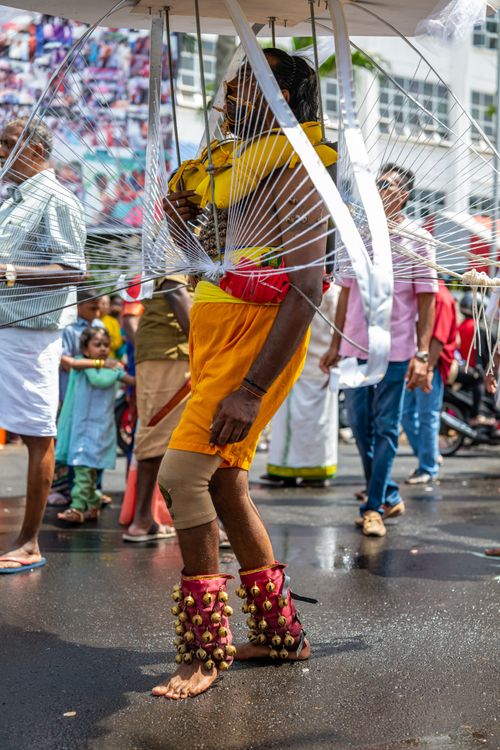
The Vel Festival is Colombo’s most significant Hindu street festival - a multi-day chariot procession through the heart of the city that draws hundreds of thousands of Tamil Hindu devotees each year in July or August. For a traveller in Colombo during this period, it is one of the most culturally immersive things you can witness in Sri Lanka.
What the Vel Festival Is
The Vel is the divine lance (vel in Tamil) of Lord Murugan, the Hindu god of war, victory, and wisdom. He is one of the most widely venerated deities in Tamil Hindu tradition, and the Vel Festival marks the ceremonial transfer of his sacred weapon between Colombo’s two principal Murugan kovils.
The procession moves from Sri Kailawasanathan Swami Devasthanam Kovil in Slave Island (Colombo 10) - the older and more architecturally elaborate of the two temples - to Sri Balaselva Vinayagar Murugan Kovil in Bambalapitiya (Colombo 4), travelling south along Galle Road. The route passes through the commercial heart of the city and takes the chariot through some of Colombo’s most densely populated neighbourhoods.
The chariot itself is a tall, heavily decorated structure - elaborately painted, draped in cloth and flowers, carrying the Vel at its peak. It is pulled through the streets by thousands of devotees using thick ropes. The chariot stops at fixed points along the route for rituals, prayers, and offerings, which means the procession takes place over several days rather than a single night.
What You’ll See
Kavadi dancers: devotees carrying elaborate arched frames adorned with flowers and peacock feathers, sometimes entering trance states. The kavadi is an act of devotion and penance - some dancers have metal spikes pierced through their skin as an offering to Lord Murugan.
Fire-walkers: participants walking across burning coals as an act of religious fulfilment. This takes place at specific points along the route.
Nadhaswaram and thavil musicians: the nadhaswaram (a long, high-pitched wind instrument) and thavil (a double-headed drum) are the traditional music of Tamil Hindu processions. The sound is distinctive - loud, rhythmic, and insistent - and fills the street well before the procession itself comes into view.
Devotees in penance: some participants carry milk pots on their heads, others have silver hooks through their skin pulling small chariots by chains attached to their backs. These are voluntary acts of religious fulfilment. Observe without interfering or photographing intrusively.
Crowds: procession days on Galle Road draw enormous crowds - a mix of Tamil Hindu devotees from Colombo and elsewhere in Sri Lanka, visitors, and local residents. The atmosphere is intense and celebratory.
When It Takes Place
The Vel Festival runs during the Tamil month of Aadi, which falls mid-July to mid-August in the Gregorian calendar. Exact dates shift year to year with the lunar calendar. The main chariot procession runs across several consecutive days.
- 2026: main procession approximately July 24–28
- Future years: check announcements from Sri Kailawasanathan Swami Devasthanam Kovil closer to the date
Colombo’s Vel Festival is the largest in Sri Lanka. Smaller Vel festivals also take place in Jaffna and other towns with significant Tamil populations.
The Route
The chariot departs from Sri Kailawasanathan Swami Devasthanam Kovil on Sir James Peiris Mawatha in Slave Island. From there it moves south along Galle Road through Kollupitiya (Colombo 3), continuing south through Bambalapitiya to the destination kovil.
Road closures along Galle Road and connecting streets are significant during procession days. If you have transfers, appointments, or onward travel booked, allow substantial extra time. Traffic in central Colombo is heavily disrupted.
Visiting the Kovils
Both temples are worth visiting outside the festival period. Sri Kailawasanathan Swami Devasthanam Kovil is one of the oldest Hindu temples in Sri Lanka - its gopuram (gateway tower) is among the most ornate in Colombo. For more on Colombo’s Hindu temples, see our Colombo Hindu temples guide.
During the festival, the temples are crowded and actively used for worship. Remove footwear before entering, dress modestly, and do not obstruct worshippers for photographs.
Practical Considerations
Where to watch: any point along Galle Road between Slave Island and Bambalapitiya. Elevated positions - hotel balconies, open-air restaurants - give a better view of the chariot and crowd. Ground level on the pavement barrier gives the most immersive experience.
Photography: a moderate telephoto (85–135mm) is useful for picking out individual performers and chariot detail from a distance. Do not photograph devotees in close penance without acknowledgement. The procession is photographically extraordinary during the evening hours when electric lights illuminate the chariot.
Accommodation on Galle Road: hotels and guesthouses on or near the procession route will experience significant crowd noise late into the evening on procession nights. If you’re sensitive to noise, choose accommodation a few blocks east of Galle Road.
Dress and conduct: cover shoulders and knees. Keep a respectful distance from devotees in trance or penance. Do not touch the chariot or ropes without being invited. The festival is a deeply religious event, not a street performance.
Plan Your Trip
The Vel Festival is one of the best reasons to time a Colombo stay in late July or early August. Guided Colombo cultural tours are a practical way to navigate the festival period with local context - a knowledgeable guide can explain the significance of each part of the procession and position you well along the route. For accommodation in Colombo during the festival, hotels near Galle Road book up quickly around procession dates - reserve ahead if your visit coincides with the main chariot days.
The Vel Festival overlaps with the period covered in our Sri Lanka in July and Sri Lanka in August monthly guides, which cover weather and seasonal context. The Colombo travel guide covers neighbourhoods, transport within the city, and what else to see alongside the festival.
Related Guides
- Colombo travel guide - neighbourhoods, transport, and where to stay
- Colombo Hindu temples guide - Sri Kailawasanathan Kovil and other major Hindu sites in the city
- Colombo food tour - Tamil and Malay cuisines that complement the cultural triangle of the festival district
- Kandy Esala Perahera guide - Sri Lanka’s largest festival, running in August; combine both if your timing allows
- Sri Lanka in July - what to expect weather-wise and events coverage
- Sri Lanka in August - the month when Perahera and Vel overlap in the same festival season