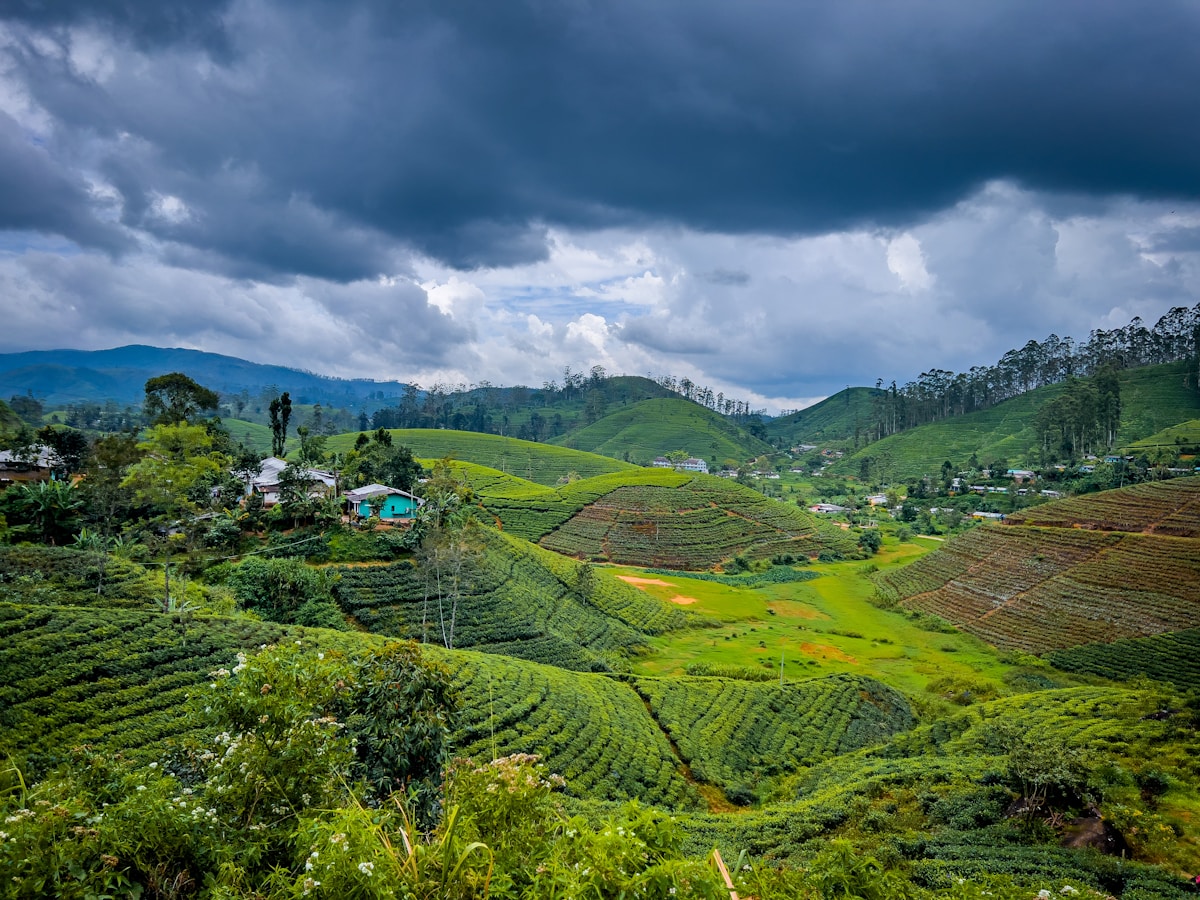
October is Sri Lanka’s monsoon crossover month - and its biggest discount window. The southwest monsoon (May–September) has ended on the west and south coasts, and the northeast monsoon (October–January) is taking hold on the opposite side of the island. For three to four weeks, conditions are in genuine transition. That uncertainty is exactly why prices hit their annual low. The travellers who show up in October willing to plan by region rather than fixed beach expectations get the best value on the island.
Early October vs Late October: Two Different Trips
October is not one consistent month - it splits almost exactly in half.
Early October (1–15): The tail end of the southwest monsoon lingers on the west coast. Colombo and Galle still see afternoon downpours several times per week. The east coast starts getting wetter as the northeast monsoon builds - Arugam Bay camps begin closing from the first week. The Hill Country is at its wettest point of the season, with Ella and Nuwara Eliya frequently clouded over. The Cultural Triangle is the standout - Sigiriya, Polonnaruwa, and Dambulla are in the dry zone and largely unaffected by either monsoon.
Late October (16–31): The shift is noticeable. Colombo typically sees several consecutive dry days by the third week. Galle’s sky clears progressively. Mirissa beach conditions improve. The south coast sunset is back. Temperatures stay at 28–31°C on the coast and 13–20°C in the hills. Late October overlaps with the start of Deepavali preparations and is the window when savvy travellers book south coast accommodation at shoulder pricing for immediate check-in - the same rooms cost 25–35% more from mid-November onward.
October Weather Region by Region: Cultural Triangle Clear, West Coast Clearing, Hill Country Wet
Colombo and West Coast: Rain frequency drops week by week. Early October - 2–3 rain events per week, typically afternoon downpours of 30–60 minutes. Late October - often only 1 event every several days. The beach at Negombo is not yet reliable for swimming but Colombo is fully functional for city-based travel. Temperature: 28–31°C.
South Coast (Galle, Mirissa, Weligama): Similar pattern to Colombo. Galle Fort is walkable and atmospheric year-round - the rain does not shut it down, it just makes umbrella-free evenings a gamble. Mirissa beach improves significantly in late October. Weligama surf conditions are not yet consistent. Temperature: 28–31°C.
Cultural Triangle (Sigiriya, Polonnaruwa, Dambulla, Anuradhapura): The dry zone. October typically brings less than 80–100mm total, falling mainly as scattered afternoon showers that clear quickly. Mornings are reliably clear and warm - ideal for early climbs and archaeological site visits. Temperature: 28–33°C. Best time for sunrise at Sigiriya.
Hill Country (Kandy, Ella, Nuwara Eliya): October is one of the wettest months in the highlands. The inter-monsoon rainfall keeps the estates green and productive but makes viewpoint visits unpredictable. The famous Kandy-to-Ella train is still worth doing - the scenery is atmospheric in the mist, and rain does not stop the service. Pack full waterproofs and adjust expectations for views from Ella Rock and Little Adam’s Peak. Temperature: 13–21°C.
East Coast (Trincomalee, Arugam Bay, Batticaloa): Avoid. The northeast monsoon builds through October. Arugam Bay is effectively closed. Trincomalee receives increasing rain. The east coast dry season runs May–September - plan east coast visits in that window.
Deepavali: Oil Lamps in Colombo’s Pettah, Hindu Kovil Ceremonies, National Public Holiday
Deepavali (Diwali) falls in October or November depending on the Tamil calendar. In Sri Lanka, the Hindu and Tamil communities celebrate with oil lamps, sweets, new clothes, and fireworks. It is a national public holiday.
Where to experience it: Colombo’s Pettah district and Kotahena area light up with elaborate lamp installations and decorations in the run-up to the festival. Sea Street in Pettah - Colombo’s gold jewellery district - is lined with Hindu kovils (temples) that hold puja ceremonies throughout. The Shiva temples at Kotahena and the kovils in Jaffna in the north are the most atmospheric settings.
Practical notes: The day of Deepavali itself is a public holiday - government offices, banks, and most shops close. Restaurants in tourist areas typically stay open. Fireworks begin after dark and continue until late. If you have young children or dogs, the noise in residential areas can be intense. Museum visiting during the run-up week (5–7 days before) captures the build-up atmosphere.
Vap Poya: Monks End Their Three-Month Rainy-Season Retreat - Temple Ceremonies Across the Island
October’s full moon Poya day - a national holiday - is Vap Poya. It marks the end of the Vas period, the three-month rainy season retreat for Buddhist monks. Monks who have been in seclusion re-enter community life, and temple ceremonies celebrate the occasion. Poya days mean alcohol sales are restricted and temples are active. Plan any wine-with-dinner evening accordingly.
Wildlife in October: Udawalawe Elephants Year-Round, Yala Variable, Bundala Migratory Birds Arriving
Yala National Park: Open, but at a quieter point in the season. Inter-monsoon rains replenish water sources across the park, which means animals disperse rather than congregating around limited water holes as they do in the dry months (February–July). Leopard sightings are less reliable in October than in the prime March–June window, but not impossible - Yala’s leopard population is dense enough that good game drives still deliver. Half-day jeep tours cost approximately $35–55 per person through operators in Tissamaharama. Entry fees for the park are approximately $20 per person.
Udawalawe: October is reliable for elephants year-round. The elephant herds at Udawalawe are resident rather than migratory and are visible in the open grasslands regardless of the inter-monsoon season. Elephant Transit Home - the orphaned elephant rehabilitation centre adjacent to the park - is open to visitors in the morning (9–10am) and afternoon (2–3pm). A jeep safari costs approximately $30–45 per person, including the park entrance.
Bundala National Park: October marks the beginning of the migratory bird season at this RAMSAR wetland. Greater flamingos, painted storks, Eurasian spoonbills, and rare pelicans begin arriving from October onward. Bundala is 25km east of Hambantota and is easily combined with a Yala visit. Entry fee approximately $10.
Whale watching at Mirissa: Not operating in October. The blue whale season begins in November at the earliest, with December–March the most reliable window.
Surfing in October: East Coast Closed by Northeast Monsoon, South Coast Not Yet Reliable
The east coast surf season is over. Arugam Bay’s main breaks receive northeast monsoon swells that make conditions dangerous, not just poor. Don’t go.
The south coast is not yet in season. Hikkaduwa and Weligama occasionally see rideable swells in late October, but conditions are inconsistent. The first reliable waves on the south coast typically arrive in November. October is, straightforwardly, the worst month of the year for surfing in Sri Lanka. November is better; December is best.
Hill Country in October: Tea Estates Active and Lush, but Viewpoints Frequently Clouded
October is wet in the Hill Country, but the tea estates are in active production. The inter-monsoon rains promote new leaf growth - called “flushes” - and the estates around Haputale, Nuwara Eliya, and Ella are green and photogenic. Factory tours run year-round regardless of weather. The estate walk from Ella to the Ravana Falls is scenic in October, though the path becomes muddy - boots or waterproof sandals are appropriate.
Horton Plains and World’s End are not worth attempting in October. Cloud rolls in fast and the famous escarpment view is invisible most days. Save Horton Plains for December–March.
Adam’s Peak (Sri Pada) is not in its pilgrimage season - the trail infrastructure is reduced and most guesthouses in Dalhousie are closed. Don’t plan a climb in October.
A 10-Day October Itinerary
This route prioritises the dry zone and avoids regions that are genuinely compromised in October:
Days 1–2: Colombo. City exploration is unaffected by transitional weather - use Colombo for Pettah market, Galle Face Green, the National Museum, and the fort area. If Deepavali preparations are underway, evening visits to Sea Street reward patience with atmosphere.
Days 3–4: Kandy. The Temple of the Tooth (Sri Dalada Maligawa) is worth a half-day. The Peradeniya Botanical Gardens are pleasant even in light rain. A brief stop in Kandy is worth it even in October - just don’t try to see the views from Bahirawakanda peak (usually clouded by afternoon).
Days 5–7: Cultural Triangle. Base yourself in Habarana or Dambulla. Hit Sigiriya and Pidurangala Rock at 7am to beat clouds and crowds. Polonnaruwa is best mid-morning before the afternoon heat. Dambulla Cave Temples and Anuradhapura’s sacred city fill another full day. The dry zone is the reason to come to Sri Lanka in October.
Days 8–9: Ella (adjusted for rain). Take the Kandy-to-Ella train - one of the world’s great railway journeys - and plan for the mist rather than fight it. Little Adam’s Peak is doable in 2 hours even in showers. Skip the viewpoint hikes and focus on tea estate walks and cooking classes on rainy afternoons.
Day 10: South coast (Galle). If you’ve timed for late October, Galle Fort is emerging from the monsoon and is fully walkable. A final night in the Fort (or at a guesthouse in Unawatuna) is increasingly viable from the third week of October onward.
October Prices: Island-Wide Annual Low - Best Month to Book South Coast Before November Rates Rise
October is the cheapest month on the island. Hotel rates across the south and west coast sit near their annual low - the high season price hike starts in November when the predictable dry weather returns.
Benchmark rates for Cultural Triangle accommodation:
- Budget guesthouses in Habarana or Dambulla: $15–35 per night
- Mid-range properties (Cinnamon Lodge Habarana small rooms, local boutique hotels): $60–100 per night
- Cinnamon Lodge Habarana (benchmark upscale): $180–260 per night in October vs $280–360 in December
South coast in late October:
- Guesthouses in Galle Fort area: $40–80 per night in late October vs $90–160 in December–January
- Mid-range boutique hotels in Unawatuna: $50–100 per night, rising sharply from mid-November
Archaeological site entry fees (current prices):
- Sigiriya Rock: $35 per person
- Dambulla Cave Temples: $10 per person
- Polonnaruwa Archaeological Park: $25 per person
- Anuradhapura Sacred City: $25 per person
Combine all four in three to four days - budget $90 in entry fees total.
What to Pack for October in Sri Lanka: Waterproofs Essential, Warm Layer for Cool Hill Nights
October’s in-between weather needs specific gear:
- Lightweight waterproof jacket (not an umbrella - coastal wind makes umbrellas useless in showers)
- Quick-dry clothing - cotton stays damp for hours in 75–80% humidity
- Dry bag or waterproof sleeve for a camera, passport, and phone
- Waterproof sandals for the Cultural Triangle paths which can be muddy after showers
- Sun protection - even in October, midday UV at low elevation is intense between rain events
- Warm layer for the Hill Country - 13°C nights in Ella and Nuwara Eliya are cool if you’ve only packed for the coast
October vs November: The Honest Comparison
The south coast improves significantly in November. If beach time is the priority, wait for November - reliable sun, calmer sea, whale-watching starting. If budget, the Cultural Triangle, Deepavali access, or avoiding the high-season crowds matter more, October delivers better value for a slightly lower-certainty experience. The Hill Country is genuinely better in November than October. The Cultural Triangle is broadly similar in both months.
Browse Sri Lanka tours for October - guided Cultural Triangle tours are at their least crowded and most competitively priced this month.
See the Sri Lanka monsoon season guide for a full explanation of how both monsoons work, and the best time to visit Sri Lanka for a month-by-month comparison.
Plan Your Trip
October rewards travellers who focus on the dry zone. Sigiriya, Polonnaruwa, Dambulla, and Anuradhapura all handle October well - climb Sigiriya at 7am for clear views before afternoon cloud arrives. If Deepavali falls in October, Colombo’s Pettah district and the kovils in Kotahena are illuminated with lamp installations - worth an evening visit. Kandy and Ella are accessible with morning windows before rain builds. Late October is the time to book south coast accommodation for immediate check-in: Galle Fort rooms and Mirissa guesthouses cost 25–35% more from mid-November. Avoid Arugam Bay and Trincomalee - the northeast monsoon is arriving and operations are closing. Nuwara Eliya can be wet in October; adjust expectations for hill viewpoints.
Flights to Sri Lanka - October is a good time to book December-January travel before fares rise. Travel insurance is useful for inter-monsoon unpredictability. Get an eSIM. Search Booking.com - October is the cheapest month islandwide.