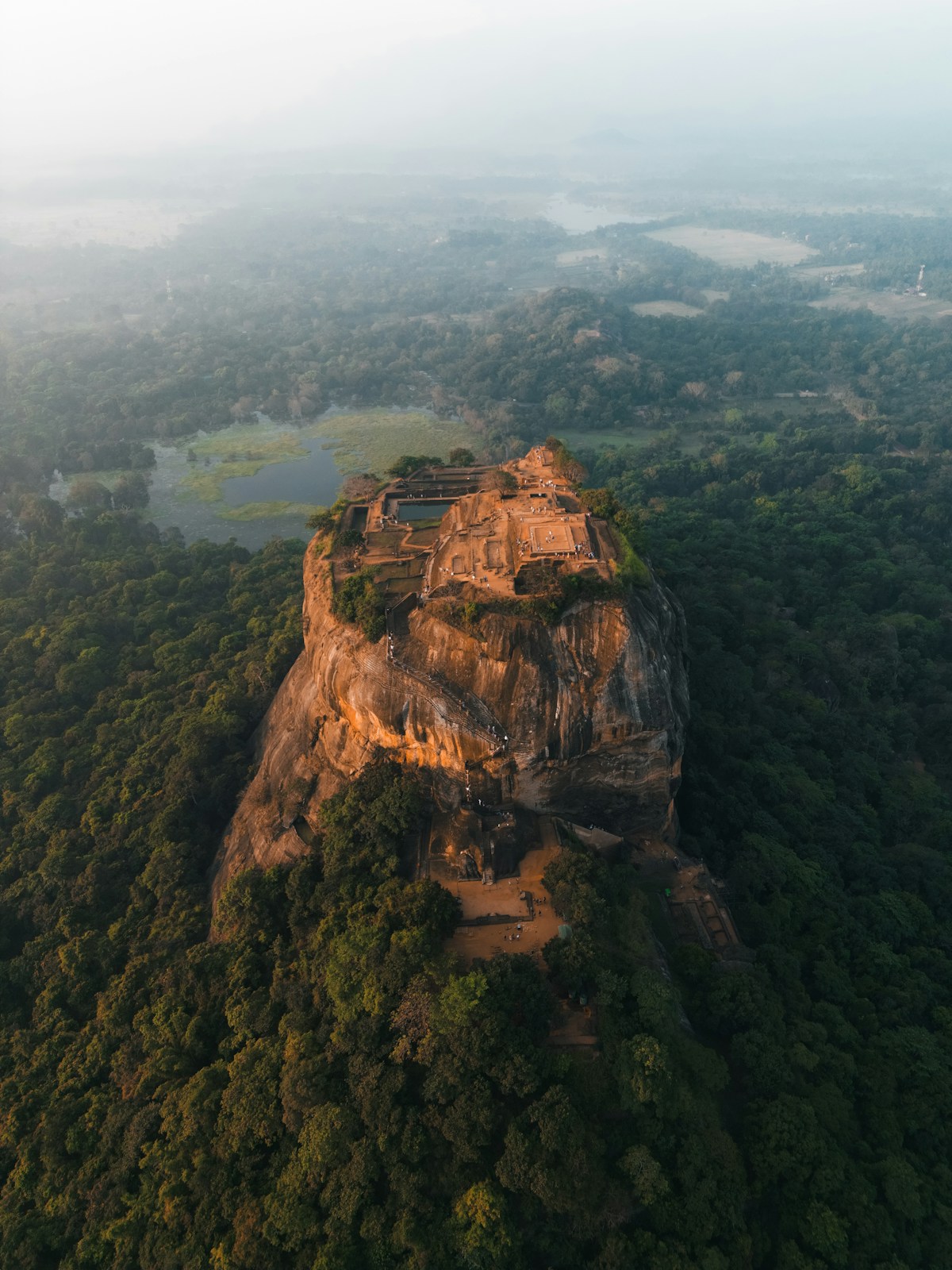
Sigiriya and Polonnaruwa are the two crown jewels of Sri Lanka’s Cultural Triangle - the ancient heartland of Sinhalese civilisation in the dry zone north of Kandy. They’re different in character: Sigiriya is a single, extraordinary object (a volcanic rock fortress rising 200 metres from the jungle floor), while Polonnaruwa is an entire ruined city spread across kilometres of park. Most cultural circuit itineraries include both - but they’re not interchangeable, and understanding the difference helps you allocate time.
Quick Comparison
| Factor | Sigiriya | Polonnaruwa |
|---|---|---|
| Type of site | Rock fortress; single dramatic climb | Ancient city; ruined complex across 8km² |
| UNESCO status | Yes (1982) | Yes (1982) |
| Entry fee (2026) | Approx USD 35 (LKR 10,500) | Approx USD 25 (LKR 7,500) |
| Time needed | 2–3 hours | 3–5 hours (bike recommended) |
| Physical demand | Steep climb; some narrow stairs | Flat; very bikeable |
| Best for | First-timers, photographers, dramatic views | History enthusiasts, archaeology, wildlife |
| Nearest base town | Sigiriya village / Dambulla (20km) | Habarana (22km) / Polonnaruwa town |
| Distance apart | 65km apart via Habarana |
Quick Verdict: Sigiriya wins on drama and photography. Polonnaruwa wins on depth, scale, and feeling like you’re inside a real ruined civilisation. Both are UNESCO-listed for good reason. Budget two separate days if you can.
Sigiriya: The Lion Rock Fortress
Built by King Kashyapa I in the 5th century AD, Sigiriya (or “Lion Rock”) was simultaneously a royal palace, a fortress, and - according to UNESCO’s assessment - one of the most sophisticated urban planning schemes of the ancient world. The rock rises 200 metres above the surrounding forest. The climb passes through water gardens, mirror wall inscriptions dating from the 8th century, and the famous frescoes of the “heavenly maidens” painted in a sheltered cave gallery roughly 100 metres up.
Key highlights:
- Water gardens - symmetrical pleasure gardens at the base with hydraulic cisterns still partially functioning; entry included with ticket
- Boulder garden and spiralling pathway - wind through massive granite outcrops with caves and natural formations used by monks before the fortress era
- Sigiriya frescoes - 5th-century paintings of celestial figures; photography not permitted at the frescoes themselves
- Mirror wall - polished plaster surface covered in ancient graffiti from visitors dating back over 1,200 years (inscriptions are in Sinhala, Tamil, Arabic, and Greek)
- Lion paws and summit plateau - the summit was originally accessed through a colossal brick lion (now only the paws remain); the plateau above held the royal palace and has panoramic views over the jungle to Pidurangala Rock opposite
Practical info:
- Opens 7am; aim to arrive by 7–7:30am
- Entry approximately USD 30 (LKR 9,000) as of 2026
- Climb takes 45–90 minutes up, 30–60 minutes down
- Vertigo sufferers: the upper sections have narrow iron staircases fixed to the rock face
- Pidurangala Rock nearby offers the best view OF Sigiriya; climb takes about 45 minutes and costs approximately LKR 500
Where to stay near Sigiriya:
- Heritance Kandalama - Geoffrey Bawa-designed hotel built into a cliff above Kandalama tank; doubles from approximately LKR 45,000/night
- Sigiriya Village Hotel - tranquil eco-style property; doubles from approximately LKR 18,000/night
- The Last House - intimate boutique property; doubles from approximately LKR 22,000/night
Polonnaruwa: The Lost Kingdom
Polonnaruwa was the second ancient capital of Sri Lanka (after Anuradhapura), flourishing between the 10th and 13th centuries AD. The ruined city covers about 8 square kilometres and includes royal palace complexes, Buddhist shrines, the Gal Vihara rock-carved Buddhas, and the massive Parakrama Samudra reservoir. It’s flat and best explored by bicycle (hire at the museum gate for approximately LKR 300/hour).
Key highlights:
- Royal Palace Group - ruins of the seven-storey palace of Parakramabahu I; walls still standing to 10 metres
- Gal Vihara - the site’s most impressive feature: four rock-carved Buddha figures including a 15-metre reclining Buddha and a 7-metre standing figure; carved in the 12th century
- Vatadage - circular relic house with four Buddha statues at the cardinal points; moonstone at the entrance is one of the finest examples in Sri Lanka
- Rankot Vihara - brick stupa 55 metres high; the fourth largest in Sri Lanka
- Parakrama Samudra - ancient irrigation tank of 2,500 hectares; created by King Parakramabahu I; drives the agricultural system of the region to this day
Practical info:
- Polonnaruwa Archaeological Museum opens 8am (closed Tuesdays); entry included with site ticket
- Main site entry approximately USD 25 (LKR 7,500) as of 2026
- Bicycle hire at the museum gate approximately LKR 300/hour; essential for covering the whole site comfortably
- Allow 3–5 hours for a thorough visit
- Monkeys are bold - keep food in bags
Where to stay near Polonnaruwa:
- The Village (Habarana) - Aitken Spence eco-resort with safari tours; doubles from approximately LKR 28,000/night
- Cinnamon Lodge Habarana - flagship hotel for the area; doubles from approximately LKR 32,000/night
- Lake View Tourist Rest - budget option in Polonnaruwa town; rooms from approximately LKR 4,500/night
Getting Between Sigiriya and Polonnaruwa
Car or tuk-tuk: 65km via Habarana junction; approximately 1.5 hours by car (LKR 3,500–5,500 for a hired vehicle). A tuk-tuk is possible but slow on this stretch - hire a car for the cultural triangle if you’re covering multiple sites.
Bus: Change at Habarana - roughly 2–2.5 hours total; approximately LKR 200–300. Slow and infrequent but manageable.
Organised tour: Most cultural triangle day tours from Dambulla or Habarana cover Sigiriya in the morning and Polonnaruwa in the afternoon. Efficient if you’re short on time.
Best Time to Visit
Both sites sit in Sri Lanka’s dry zone - low rainfall year-round compared to the coast. May to September is the driest and hottest period (35°C+ by midday). October to February is cooler and slightly wetter but more comfortable for walking. Avoid visiting between 10am–2pm regardless of season - the exposed rock and open ruins are extremely hot. Early morning (7–9:30am) is always the best time for both sites.
Who Should Go Where
Choose Sigiriya if: You want the single most dramatic, iconic experience in Sri Lanka. You’re a photographer, a first-timer, or you want to tick the bucket-list site. Allocate a morning.
Choose Polonnaruwa if: You want depth over drama. History and archaeology matter to you. You’re comfortable exploring on a bicycle at your own pace. You want to feel what the ancient capital of Sri Lanka actually looked like as a living city.
The right answer: Both. Stay two nights in the Dambulla/Habarana/Sigiriya area - Sigiriya on day one morning, Polonnaruwa on day two. Add Dambulla Cave Temple (30 minutes from Sigiriya; entry approximately USD 15) to fill the afternoon on day one. Guided Sigiriya and Cultural Triangle tours cover the main circuit with a knowledgeable guide and take the logistics off your hands.
More Comparisons
- Ella vs Kandy
- Galle vs Colombo
- Hikkaduwa vs Mirissa
- Kandy vs Nuwara Eliya
- Mirissa vs Unawatuna
- Negombo vs Colombo
- Trincomalee vs Arugam Bay
Related Guides
- Sigiriya travel guide - accommodation, what to see, and logistics
- Polonnaruwa travel guide - the ruins, cycling routes, and where to stay
- Climbing Sigiriya guide - entry fees, route, frescoes, and fitness level required
- Dambulla travel guide - cave temples and the best base for both sites
- Cultural Triangle ancient ruins guide - the full circuit including Anuradhapura
- 10-day Cultural Triangle itinerary - structured route covering Sigiriya, Polonnaruwa, and more
🏨 Search hotels in Sigiriya - Search hotels in Polonnaruwa