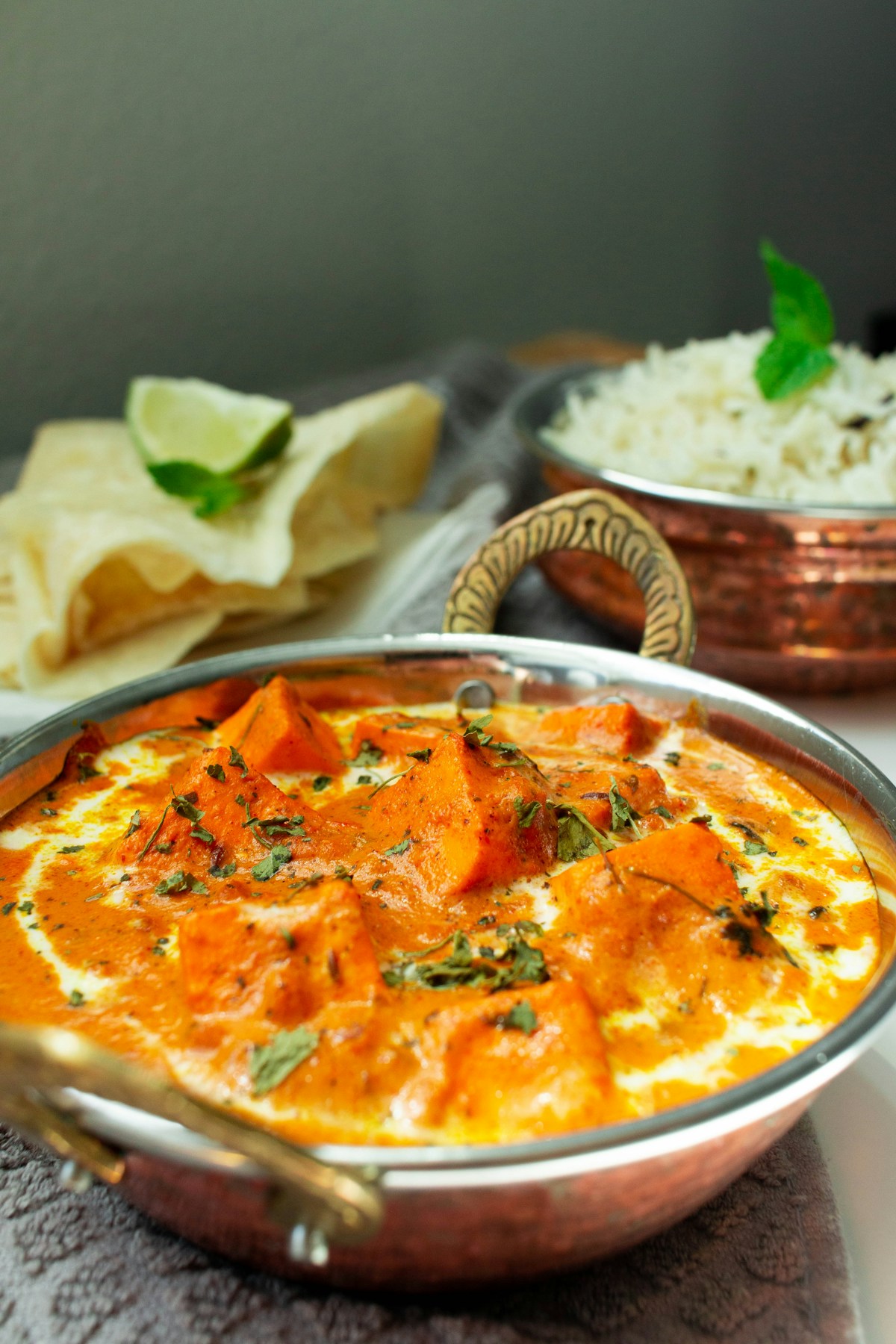
Sri Lanka is a small island with a food culture that punches far above its geographic weight. The cuisine draws on Sinhalese, Tamil, Burgher (Dutch-Sri Lankan), and Malay traditions - overlapping communities whose cooking has been borrowing from each other for centuries. The result is a table that rewards exploration.
The Foundation: Rice and Curry
Rice and curry is not a dish - it is a meal structure. A mound of steamed rice arrives with three to eight small bowls arranged around it: a dhal, a vegetable or two, a protein (fish, chicken, or beef in non-Buddhist areas; fish or chicken in most of the country), and condiments. The combinations and ratios shift by region, season, and household.
Dhal curry (parippu) is universal. Red lentils cooked with coconut milk, turmeric, and tempered with mustard seeds and curry leaves. It is the baseline of every rice and curry plate and the most reliable indicator of a kitchen’s quality - a well-made dhal is properly flavoured throughout, not just at the top.
Pol sambol - freshly grated coconut with red onion, chilli, lime juice, and Maldive fish - is the condiment that ties the plate together. It ranges from mild to scorching depending on the cook.
At a local restaurant (called a “hotel” in Sri Lanka, regardless of whether it has rooms), a full rice and curry lunch costs approximately LKR 350–700 as of 2026. The quality is often outstanding - particularly the midday rice-and-curry spreads at places that cook one big batch and serve until it is gone.
Hoppers and String Hoppers
Hoppers (appa) are bowl-shaped pancakes made from fermented rice flour and coconut milk, cooked in a small rounded wok. The rim is crispy and thin; the base is thick, soft, and slightly sour from fermentation. Egg hoppers have a whole egg cracked in before the batter sets. Milk hoppers use a sweeter, thicker batter.
Hoppers are a breakfast and dinner food - street stalls open from early morning and again in the early evening. A plain hopper costs approximately LKR 30–60; an egg hopper LKR 60–120. Pair them with coconut sambol and a dhal curry.
String hoppers (idiyappam) are made from rice flour pressed through a mould into thin noodle discs and steamed. They have no flavour of their own - they are a vehicle for curry, typically a mild coconut-milk dhal or a lunu miris (red onion and chilli paste). Common at breakfast throughout the country. A plate of four to six string hoppers costs around LKR 100–200.
Kottu Roti
Kottu is one of the more theatrical foods on the island. Flatbread (roti or parotta) is chopped on a griddle with metal blades that produce a rhythmic clanging you can hear from the street. The chopped bread is mixed with egg, shredded vegetables, and your choice of protein - chicken, beef, cheese, or seafood.
The sound of kottu being prepared is essentially the sound of Sri Lankan street food at night. Every town has a stall open until late. A standard portion costs approximately LKR 450–900 as of 2026, depending on the filling and location. Quality varies considerably - the best kottu uses well-seasoned roti and fresh ingredients; the worst is greasy and bland. Colombo, Kandy, and Galle all have reliable kottu spots.
Lamprais: A Dutch Legacy
Lamprais is one of the most specific dishes on the island - a Dutch-Sri Lankan (Burgher) preparation that has survived largely through Colombo’s old bakeries and Burgher family traditions. Rice cooked in meat stock is packed with several curries, a blachan (shrimp paste), a frikkadel (Dutch-style meatball), and a cutlet, all wrapped in a banana leaf and baked.
The banana-leaf cooking melds everything together into a coherent, complex flavour. It is not widely available - your best options are the Dutch Burgher Union in Colombo, Fab bakery, and a handful of old-school restaurants that include it on the menu. Expect to pay approximately LKR 800–1,500 per portion as of 2026. Worth going out of your way for.
Pittu
Pittu is a steamed cylinder of ground rice flour and grated coconut, pressed into a bamboo or metal mould and cooked upright. The result is a compact, slightly crumbly cylinder with a neutral coconut flavour, usually served with coconut milk and a curry. It is common at breakfast in both the Sinhalese south and Tamil north, though preparations differ.
Jaffna Tamil Cuisine
The north has its own food culture, distinct enough to deserve separate attention. Jaffna Tamil cooking is more intensely spiced than the Sinhalese south - more dried chilli, more tamarind, more use of palmyra palm products.
Jaffna crab curry is the region’s showpiece dish. Mud crab cooked in a fiercely spiced gravy with a characteristic sourness from tamarind and dried chilli. It is served with idiyappam or rice and is best eaten in Jaffna itself, where the crabs are fresh from the lagoon. The Ministry of Crab in Colombo serves an excellent version, but the Jaffna original has context.
Palmyra palm products are unique to the north - toddy (fermented sap), jaggery, and palmyra shoots appear in northern cooking in ways you will not find elsewhere in Sri Lanka.
Tamil vegetarian thali in Jaffna - a full spread of vegetable and lentil curries with rice or idiyappam - is among the best vegetarian eating in the country. The flavour depth from proper spicing is considerable.
The Up Country: Kandy and Nuwara Eliya
The Hill Country has a more restrained food culture, influenced partly by the British colonial era. Nuwara Eliya was Sri Lanka’s hill station and the legacy lingers in bakeries that sell cream puffs, Welsh rarebit, and scones.
Kandy has solid mid-range restaurants serving standard Sinhalese rice and curry. The market area near the bus station has the cheapest and often best local food. Nuwara Eliya is worth stopping for a cup of Ceylon tea at the source and trying a British-style baked good at one of the old-school tea rooms - not traditionally Sri Lankan, but part of the cultural layering.
Coastal Seafood
The south and east coasts have access to excellent fresh fish - tuna, seer fish (wahoo), red snapper, pomfret, and king prawns are common. Negombo is the main fishing port north of Colombo and has a cluster of good seafood restaurants along the beach road; a grilled seer fish with rice runs approximately LKR 1,200–2,500.
Trincomalee on the east coast is known for fresh lobster and prawns during the season (roughly May to September). Fish market stalls near the harbour sell very fresh catch at low prices if you know what you are buying.
Mirissa and Weligama on the south coast have restaurants aimed largely at tourists, but the underlying seafood is genuinely good - the issue is distinguishing places that cook it well from those relying on frozen stock.
Street Food and Market Eating
Pettah market in Colombo is the best and most chaotic place to eat street food in the country. Vadai (deep-fried lentil fritters), isso vadai (prawn-topped fritters), roti and curry, fruit, and thambili (king coconut) are available from stalls throughout the market. Budget approximately LKR 100–300 per snack.
Galle Face Green in Colombo is a seafront promenade where food stalls set up from late afternoon. Isso vadai, kottu, fresh fruit, and various fried snacks are all available. Casual, cheap, and reliably busy with locals.
Viharamahadevi Park area in Colombo has several street food options around the perimeter.
Vegetarian and Vegan Eating
Sri Lanka is exceptionally good for vegetarians. The Buddhist tradition has embedded meatless cooking across the country, and temple food (in particular the dana meals served near major Buddhist sites) is entirely plant-based. Dhal curry, jackfruit curry, pol sambol, mallum (wilted greens with coconut), and pol roti are all naturally vegetarian and available everywhere. If you want to cook these dishes yourself, book a Sri Lanka cooking class - half-day classes in Kandy, Galle, and Colombo cover the techniques behind a full rice-and-curry spread, including how to temper spices in coconut oil.
Jackfruit curry (polos, made from young jackfruit) is a cornerstone of plant-based Sri Lankan cooking - the texture mimics meat in a way that is more than a trick, it is simply how young jackfruit works. It appears on most rice-and-curry menus.
Vegans should ask specifically about Maldive fish, which is present in many condiments. Coconut milk is the dairy substitute in most cooking, so Sri Lanka is naturally vegan-friendly once you navigate around Maldive fish.
Where to Eat: Key Restaurants
Colombo:
- Ministry of Crab - in the Dutch Hospital complex, famous for Jaffna crab curry and devilled crab; expect to pay approximately LKR 5,000–15,000 per person as of 2026
- Upali’s (Colombo 3) - long-standing mid-range restaurant for authentic rice and curry; approximately LKR 1,000–2,500
- Pilawoos (Kollupitiya) - the most famous kottu spot in Colombo; open late; LKR 400–700
- Pagoda Tea Room (Fort) - historic bakery and restaurant; lamprais and traditional snacks
Galle:
- Galle Fort restaurants have a range from tourist-priced to genuinely good Sri Lankan food; the fish market just outside the fort wall is the best place to buy fresh catch
Kandy:
- Kandy city restaurants - the area around the lake and market has solid local food options; market-area kadevs serve the cheapest and most reliable rice-and-curry
Meal Timing and Customs
Sri Lankans typically eat three meals a day. Breakfast is hoppers, string hoppers, or pittu with curry and coconut milk. Lunch is the main meal - rice and curry from about 11am until 2pm. Dinner is lighter - kottu, roti, or a smaller curry plate.
Restaurants serving traditional food often run out of items by mid-afternoon. A sign saying “rice and curry” may mean exactly that - what was cooked that morning and served until gone. This is a quality indicator, not a problem.
Eating with the right hand is traditional, though cutlery is always available. Portion sizes at local restaurants are generous. It is entirely normal to eat at midday at a place with plastic chairs, ceiling fans, and a handwritten menu on a chalkboard - this is often where the best food is.