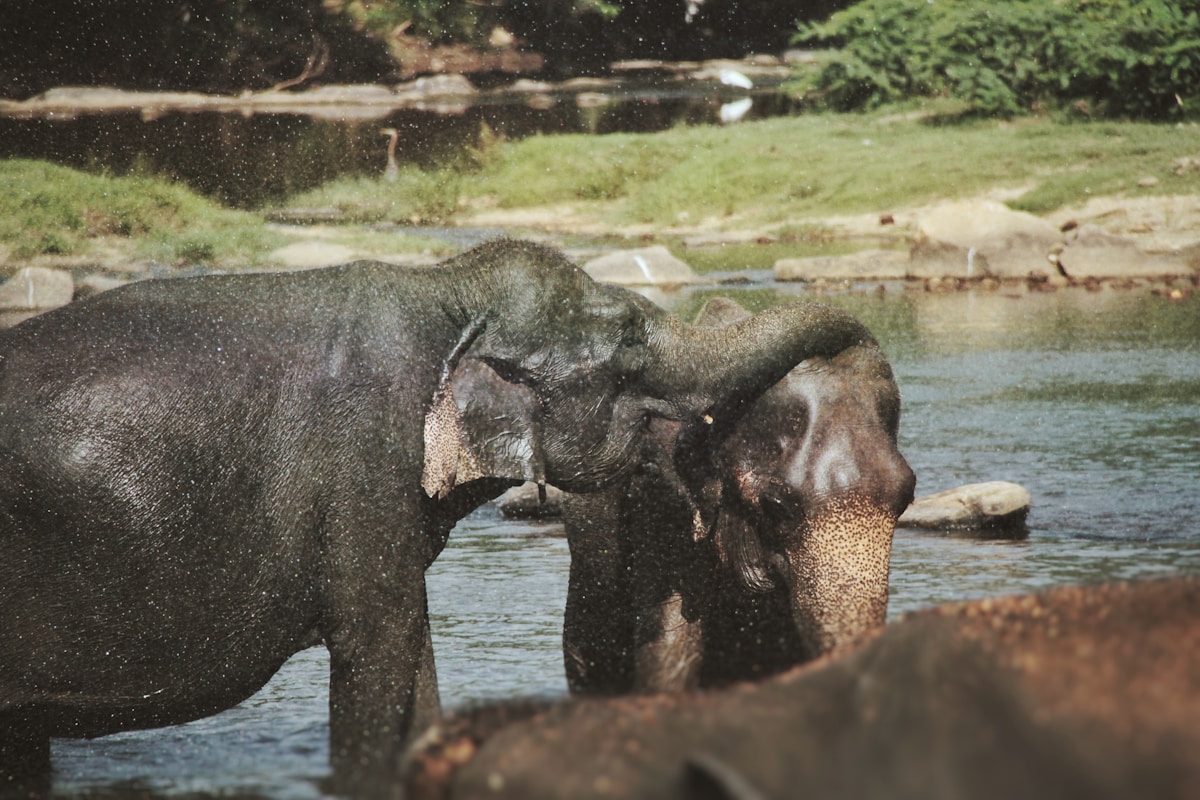
Pinnawala Elephant Orphanage sits in a stretch of coconut plantation on the banks of the Maha Oya River, 35km from Kandy. It’s one of the most visited attractions in Sri Lanka and also one of the most debated. Before you go, it helps to understand what Pinnawala actually is, what practices happen there, and whether there are alternatives that better match your priorities.
What Pinnawala Is
The Elephant Orphanage was established in 1975 by Sri Lanka’s Department of Wildlife Conservation to care for orphaned and injured wild elephants that could not be released back into their natural habitat. The original mission was conservation: give stranded elephants a safe place to live, provide veterinary care, and build a viable captive herd.
Over its 50-year history, Pinnawala has taken in more than 90 elephants and operates the world’s largest captive elephant herd outside of Thailand. It has a successful captive breeding programme - calves have been born at Pinnawala since 1984 - and it does provide a level of veterinary care and long-term habitat that would be unavailable to many of these elephants elsewhere.
The herd currently numbers approximately 90–100 elephants of all ages, from young calves to elderly adults. Several elephants have lived at Pinnawala for decades.
The River Bathing
The main draw for visitors is the twice-daily herding of elephants to the Maha Oya River for bathing and swimming. This is a genuine daily routine - not a performance - and seeing 60–80 elephants wade into a river simultaneously is striking.
Morning bathing: elephants are taken down around 10am and typically remain in and around the river for 1–2 hours. This session usually has the most activity - swimming, splashing, young elephants playing.
Afternoon bathing: begins around 2pm. Smaller number of elephants in some seasons; calmer in general.
The riverbank opposite the orphanage has a row of restaurants and viewing spots that fill up quickly on weekends and holidays. Arriving early and positioning yourself along the bank before the herd arrives is well worth it. The walk from the orphanage grounds to the river takes about 5 minutes.
The Ethical Debate
Pinnawala’s reputation in international wildlife tourism circles has grown more complicated over the years. The criticisms are worth knowing before you visit.
Chaining: When not at the river or on public display, many of the adult elephants at Pinnawala are kept on chains attached to posts. This is a common practice in Asian elephant care facilities but is increasingly criticised by animal welfare organisations as psychologically harmful and physically restrictive. Free-contact management (allowing mahouts to work alongside elephants without chains) is considered better practice and is used at some facilities but not consistently at Pinnawala.
Elephant-back rides: Pinnawala has at various times offered elephant rides within the grounds. These are heavily criticised by major conservation and animal welfare organisations including Born Free Foundation, World Animal Protection, and others. The training methods traditionally used to prepare elephants for rides involve aversive conditioning. As of 2025, availability varies - some sources report rides are still offered; others that they’ve been reduced. Even if offered, most credible conservation organisations advise against participating.
Bottle-feeding: Visitors can pay to bottle-feed younger elephants. Critics argue this habituates calves to close human contact in ways that are not in the animals’ long-term interests. It is also commercially motivated. Watching the feeding from a distance is possible without paying for the experience.
Captive breeding without release: Pinnawala’s elephants are not being rehabilitated for wild release. Each new generation born at Pinnawala is destined for captive life. While this provides a home for elephants that cannot survive in the wild, it raises longer-term questions about Pinnawala’s conservation value compared to facilities that work toward reintegration.
What this means for your visit: Visiting Pinnawala as an observer - watching the river bathing and walking around the grounds - is a different experience to participating in paid animal interactions. Many visitors find the river bathing genuinely impressive and go no further than watching. The ethical weight of your visit depends largely on which elements you engage with.
Practical Information
Opening hours: 8:30am – 5:30pm daily. The orphanage is open 365 days a year.
Entry fees (as of 2026):
- Foreign adult: approximately USD $15 (LKR 4,500–5,000)
- Foreign child (under 12): approximately USD $8
- Sri Lankan nationals: significantly lower rate
Best time to visit: Weekday mornings are least crowded. Weekends and public holidays (especially poya days) bring large numbers of local visitors. The morning river bathing at 10am on a weekday gives the best experience without crowds.
Getting there:
- From Colombo: approximately 90km via the A1 Colombo–Kandy highway; turn at Rambukkana. Around 2 hours.
- From Kandy: approximately 35km; about 45–60 minutes by road. Day trips from Kandy to Pinnawala are widely available and often include onward transport to the Spice Gardens at Matale. A Pinnawala day tour on Klook from Kandy includes hotel pickup and drop-off.
- Public bus: services run from Colombo Fort and Kandy. Change at Rambukkana if needed; Pinnawala village is a short tuk-tuk ride from the bus stop.
What to bring: Sun protection, water, a camera. Comfortable shoes - the grounds are partly on uneven grass and some paths get muddy after rain.
Better Alternatives to Consider
If genuine conservation impact is a priority, two other sites in Sri Lanka offer stronger credentials.
Udawalawe Elephant Transit Home (Udawalawe National Park, southern Sri Lanka): Run by the Department of Wildlife Conservation, this facility takes in genuinely orphaned calves from across the island, raises them with minimal human habituation, and releases them back to wild elephant herds. Several hundred elephants have been successfully returned to the wild. Visiting is done from a vehicle at a specific feeding platform - no rides, no close contact, no staging. Entry is inexpensive and included in the national park fee (approximately USD $15 for the park). The trade-off: you won’t see 80 elephants in a river. What you will see is something closer to conservation in practice.
Minneriya and Kaudulla National Parks: For wild elephant encounters, the “Elephant Gathering” at Minneriya and Kaudulla in the dry season (June–September) is one of the largest concentrations of wild Asian elephants anywhere in the world - hundreds of animals congregating around a receding reservoir. No captive conditions, no chains, no paid interactions. A standard safari jeep provides the viewing. This is a genuinely wild elephant experience that’s difficult to match anywhere else.
Yala National Park: For broader wildlife - leopards, sloth bears, crocodiles - Yala is the top choice. Wild elephant herds are commonly encountered during safaris.
The Honest Summary
Pinnawala is worth visiting if the river bathing is what draws you and you’re going as an observer. The spectacle of a large elephant herd is real and the orphanage’s role in protecting animals that had nowhere else to go is legitimate. The ethical objections primarily concern the paid interaction experiences and the conditions in which elephants are kept when not in public view.
If you want the cleanest conscience, Udawalawe Transit Home offers genuine rehabilitation and release. If you want the most dramatic wild elephant encounter, Minneriya’s Gathering outperforms both. Pinnawala is a hybrid - part conservation, part tourism product - and knowing that before you arrive helps calibrate expectations.
Plan Your Trip
Pinnawala is 90km from Colombo on the main A1 highway toward Kandy - a natural stop between the two. Kandy is 35km further east and the more rewarding destination for a longer stay - Hotels in Kandy start from around LKR 3,500 per night and put you close to the Temple of the Tooth and Peradeniya Gardens. For wild elephant alternatives, Udawalawe has near-guaranteed wild elephant sightings year-round, and Minneriya offers one of the world’s great elephant spectacles from August to October. The safari comparison guide covers all options side by side. For a wider Kandy region day trip, Pinnawala combines well with Royal Botanical Gardens at Peradeniya nearby and the Dambulla cave temples on the onward road north.