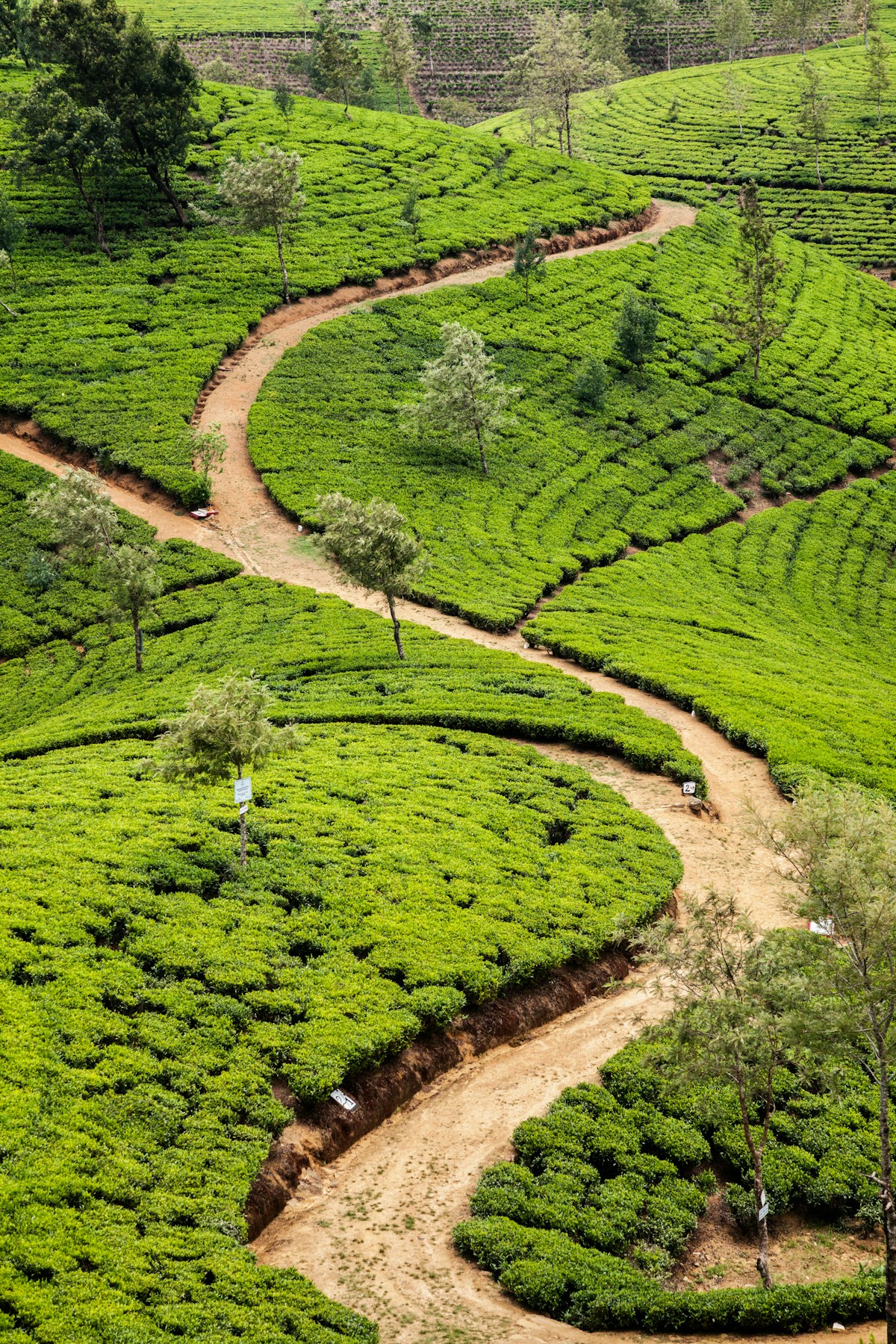
Sinhala and Tamil New Year falls on April 13 and 14 every year. It is the most important national holiday in Sri Lanka, observed by both the Sinhalese Buddhist majority and the Sri Lankan Tamil community, and marks the solar new year, the point at which the sun moves from Pisces into Aries. For a traveller present in Sri Lanka during this period, it offers a rare window into domestic Sri Lankan culture: families reuniting, towns coming alive with music and games, and a palpable sense of shared celebration.
What the New Year Marks
Unlike the Gregorian calendar’s January 1, the Sinhala and Tamil New Year is not an arbitrary date but an astronomical one: the sun’s transit into Makara Rasi (Aries) in the traditional Hindu and Buddhist calendar system. It has been celebrated in Sri Lanka for well over a thousand years and predates the colonial period.
The two communities have their own names for it: Sinhalese Buddhists call it Aluth Avurudu (new year in Sinhala), while Sri Lankan Tamils call it Puthandu (new year in Tamil). Both share the same date and the same underlying astronomical significance, and both are recognised together as a single national public holiday.
The Ritual Structure of New Year
New Year is not simply a party. It is structured around a series of ritually timed events, each performed at an astrologically determined hour published in the national newspapers each year.
The outgoing year: in the hours before the new year moment, all work ceases. This transition period (called the nonagathaya) is considered a neutral, auspicious time for rest and spiritual reflection, not for activity or eating.
The new year moment: the nonagathaya ends at the precise moment of the sun’s transit into Aries, at a time determined each year by astrologers and announced in advance. At this moment, the hearth is lit, kiribath (milk rice) is cooked and eaten facing an auspicious direction, and the new year formally begins.
The oil bath ceremony (tel gaeseema): held on the morning of New Year’s Day at a specific auspicious time, in an auspicious direction. Herbal oil is applied to the hair and body. This is a purification ritual for the year ahead.
The first activities: the first transaction, first journey, and first meal of the year are all performed at astrologically determined times. These are not superstitions so much as a cultural framework of intentionality around beginning things well.
Traditional Games and Activities
Village games and communal competitions are a central part of New Year week:
Kana mutti: blindfolded clay pot smashing Kotta pora: pillow fighting on a beam Banis kaema: bun eating without using hands Onchilli: traditional swings decorated with jasmine Climbing the arecanut palm (pol-atha aebeema): a greased pole competition
These games take place at temples, community centres, and village grounds throughout the New Year period. Hotels in Nuwara Eliya and other popular venues often organise their own versions for guests.
Food and Sweets
Preparations for New Year begin days beforehand, with households making:
- Kavum: deep-fried oil cakes made from rice flour and kithul treacle, in a distinctive lobed shape. Each family has its own recipe.
- Kokis: crispy fried pastries made from a coconut milk batter, shaped in decorative moulds. The batter is poured directly into hot oil via the mould.
- Kiribath: milk rice cooked with coconut milk, cut into diamond shapes and served at the new year moment. It is eaten at virtually every auspicious occasion in Sri Lanka.
- Aluwa: a soft fudge made from rice flour, sugar, and cashews, sometimes flavoured with cardamom.
These sweets are taken to neighbours, shared with visiting families, and given as gifts. You will likely be offered some if you are anywhere near a Sri Lankan home during the season.
Where to Experience New Year
Nuwara Eliya: the hill country town known for tea and colonial architecture becomes Sri Lanka’s most famous New Year destination. The Nuwara Eliya racecourse holds its annual horse racing meet during the season, drawing large crowds. Hotels are fully booked for weeks. The town’s central park hosts organised New Year games. Temperatures are cool and the energy is high. Book accommodation months ahead. See the Nuwara Eliya travel guide for where to stay.
Kandy: the cultural capital of the hill country holds New Year events around the Temple of the Tooth precinct and in public parks. The city is lively but less overwhelmed than Nuwara Eliya, making it a slightly more manageable base for experiencing the season. The Kandy travel guide covers accommodation near the centre.
Colombo: the capital celebrates New Year in its own way, with shopping malls and public spaces hosting events in the days before and after. Pettah and the suburban areas with large Sinhalese residential communities are the most animated. See the Colombo travel guide for base options.
Villages and smaller towns: the most authentic New Year experience is often in smaller towns, where the communal games and neighbourhood celebrations are more visible and less commercially packaged. If you have a driver or are renting a tuk-tuk, simply being out on the roads in a residential area in the afternoon of April 13 or 14 gives you a real feel for how the country celebrates.
Practical Considerations
Accommodation: Nuwara Eliya and the hill country book out months in advance for the New Year period. Prices increase significantly. Book as early as possible. Hotels in Nuwara Eliya are limited in number relative to demand.
Transport: trains to Nuwara Eliya and Kandy fill completely from Colombo in the days before New Year. Reserved train seats should be booked weeks ahead. Buses are an alternative but slow and overcrowded during the season.
Business closures: most banks, government offices, and small businesses close for a period around April 13-14. Supermarkets and pharmacies typically remain open. Factor in reduced services if you are travelling independently.
Weather: April is a transitional month in Sri Lanka. The southwest receives the first rains of the season in late April. The hill country is cooler and drier. The north and east are hot and dry, making the New Year period a reasonable time to visit Jaffna or the Cultural Triangle.
Plan Your Visit
Sinhala and Tamil New Year is a genuinely national celebration. You do not need to seek out a specific event to encounter it, though Nuwara Eliya in particular gives the most concentrated experience. The Sri Lanka in April monthly guide covers the full weather picture and other April events. For broader planning, when to visit Sri Lanka covers seasonal trade-offs across the year.
Related Guides
- Nuwara Eliya travel guide - the hill country town at the centre of New Year celebrations
- Kandy travel guide - cultural capital with strong New Year traditions
- Sri Lanka in April - weather, events, and seasonal context for April travel
- Temple etiquette in Sri Lanka - how to visit religious sites respectfully
- Best time to visit Sri Lanka - seasonal overview