Search hotels in Sri Lanka on Booking.com
Both countries get recommended as top Southeast Asian destinations (Sri Lanka technically sits in South Asia, but it’s often compared with Southeast Asian choices). Both are Buddhist-majority nations with ancient temple complexes, warm-water beaches, exceptional food, and an established backpacker trail. So when a trip to one part of the world is on the table, how do you choose?
This isn’t a definitive ranking - it’s a comparison across the factors that matter most for trip planning, so you can make the call based on what your trip actually needs.
Costs: How the Budgets Compare
Both countries are affordable by global standards and sit in a similar budget tier. The differences are real but not dramatic.
Thailand’s advantage in budget travel:
- Street food culture is deeply embedded - a full meal from a night market or hawker stall costs $1–3 virtually everywhere, even in tourist areas
- Hostel and guesthouse infrastructure is extensive, particularly in Bangkok, Chiang Mai, Pai, and the islands - dorm beds from $6–12/night
- Ride-sharing (Grab) and cheap transport options are widespread
Sri Lanka’s budget reality:
- Street food exists but the tourist-friendly snack culture is less developed than Thailand’s - eating cheaply requires seeking out local kade (small shops) or rice and curry joints rather than finding them on every corner
- Budget guesthouses start around $20–35 per night in most tourist areas
- Transport requires more spending if you want private transfers - public buses are cheap but slow; trains scenic but infrequent
Mid-range comparison: At $80–150/day, both countries offer excellent accommodation and dining. Sri Lanka’s mid-range hotels in Galle, Ella, and Kandy are genuinely good value. Thailand’s boutique hotels in Chiang Mai, Pai, and the quieter islands are similarly priced.
Entry fees: Sri Lanka’s major archaeological sites (Anuradhapura, Polonnaruwa, Sigiriya) charge foreign visitor fees of $15–30 each. Thailand’s Temple of Emerald Buddha/Grand Palace complex charges $15; most individual wats are free.
Overall: Thailand is slightly cheaper for budget travel. Mid-range and above: roughly equal.
Beaches
Thailand:
- Hundreds of islands covering both the Gulf of Thailand and Andaman Sea coasts
- Island-hopping culture is well developed - ferries, speedboats, and cheap domestic flights connect the archipelagos
- Famous names (Koh Samui, Koh Phangan, Koh Tao, Koh Lanta, Phi Phi Islands) represent a huge range of character - party beaches, dive sites, quiet coves
- Some islands have been significantly overdeveloped; finding genuinely quiet sand requires effort and money
Sri Lanka:
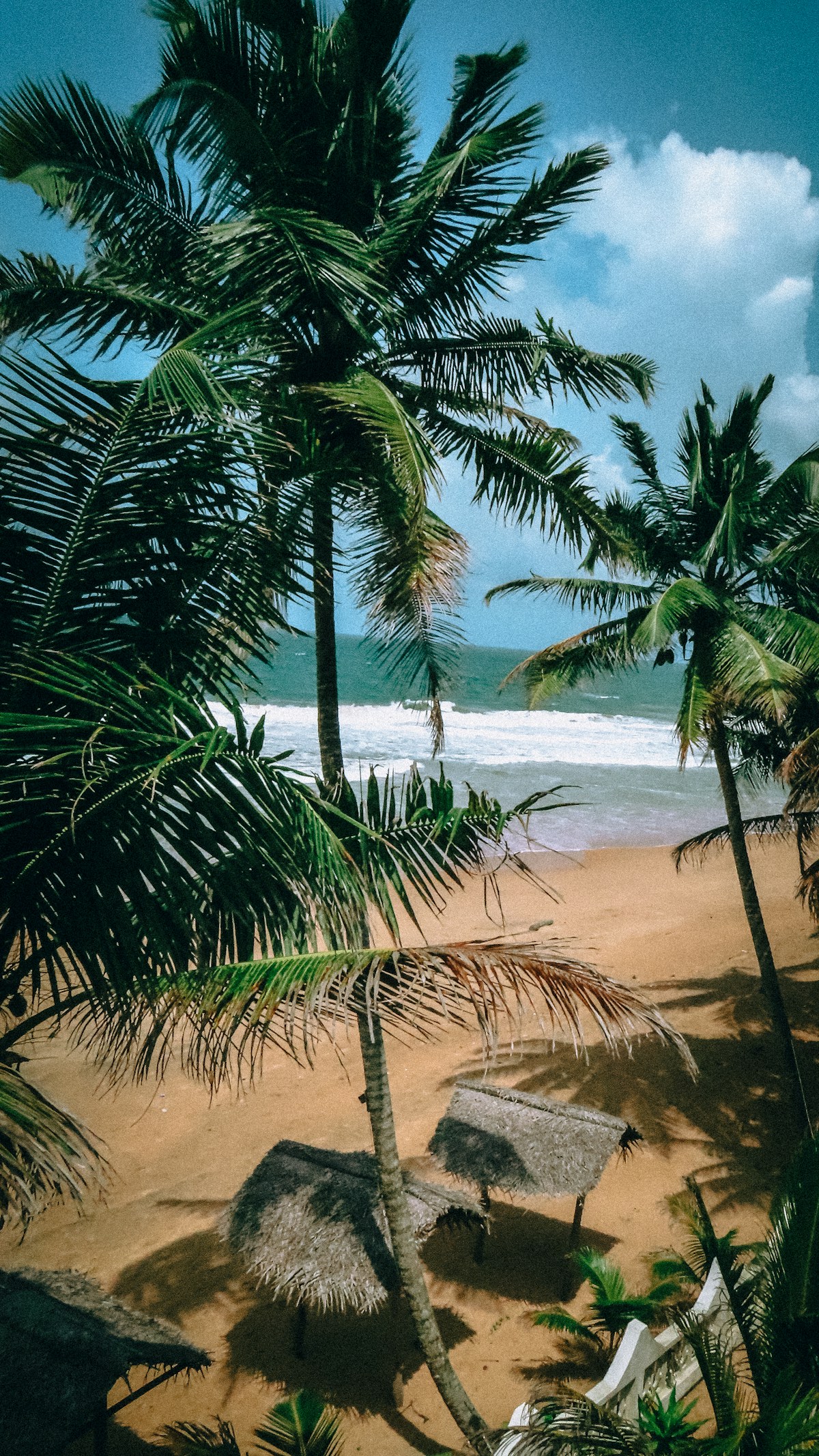
- Two main beach coasts: south (Hikkaduwa to Tangalle) and east (Trincomalee, Arugam Bay)
- Very few offshore islands - Sri Lanka is not an island-hopping destination
- Beaches are beautiful but less varied in character than Thailand’s
- South coast November–April; east coast April–September - the seasonal switch means you can have good beach weather whenever you visit
- Generally less crowded than Thailand’s most famous beaches; fewer mega-resort complexes
The verdict: Beach lovers planning a beach-centric trip will find Thailand more satisfying. More choices, better island variety, and island-hopping infrastructure that Sri Lanka simply doesn’t match. Sri Lanka’s south coast beaches (Mirissa, Unawatuna, Hiriketiya) are excellent but limited in scope. Thailand wins on beaches.
Food
Thailand:
- One of the world’s great food cultures, universally acknowledged
- Regional cuisine varies significantly - Northern Thai, Southern Thai, and central styles are genuinely distinct
- Street food quality is high and available at all hours in cities and towns
- Vegetarian and vegan options are extensive
- International and fusion cuisine is excellent in Bangkok and Chiang Mai
Sri Lanka:
- A cuisine built on rice and curry with remarkable depth - Sinhalese, Tamil, Malay, Dutch Burgher, and colonial Portuguese influences all present
- Rice and curry lunches at local restaurants are extraordinary value and quality - a thali-style spread for LKR 200–500
- Kottu roti (stir-fried roti with vegetables and egg or meat) is a genuine Sri Lankan street food that’s unique and worth tracking down
- Hoppers (thin crispy crepes, often served with egg) are the best breakfast in Asia and genuinely unique to Sri Lanka
- Less variety overall than Thailand - the street food scene for tourists is thinner
The verdict: Thailand’s food culture has more breadth and is better at feeding travellers at all times of day and night. Sri Lanka’s rice and curry tradition is exceptional but requires more effort to access well. Both are worth travelling for food alone, but Thailand is the more satisfying food destination overall. Thailand wins, narrowly.
Culture and Temples
Thailand:
- Wat Phra Kaew (Temple of the Emerald Buddha) and the Grand Palace in Bangkok are extraordinary
- Chiang Mai has 300+ temples including Doi Suthep on its mountain above the city
- Ayutthaya and Sukhothai - ancient capital ruins with strong atmosphere
- Living Buddhist tradition visible in monk processions, temple ceremonies, and merit-making
- Very tourist-developed: the most famous sites have large volumes of visitors
Sri Lanka:
- Ancient cities of Anuradhapura and Polonnaruwa predate most of Thailand’s major sites - Anuradhapura’s stupas date to 250 BCE and are still active pilgrimage sites
- Sigiriya Rock Fortress (5th century CE palace complex on top of a sheer rock column) is one of Asia’s more remarkable ancient sites and less crowded than comparable UNESCO sites in Thailand or Cambodia
- The Temple of the Sacred Tooth Relic in Kandy holds a tooth relic of the Buddha - arguably the most significant Buddhist relic in the world
- Kandy Esala Perahera (July–August) is one of Asia’s great festivals - 10 days of torch-lit processions, dancers, and decorated elephants
- Religious sites feel less managed for tourism - more pilgrimage activity, fewer entrance queues, more authentic atmosphere at most sites
The verdict: This one depends on what you want from cultural experiences. Thailand has more iconic photogenic temples; Sri Lanka has more historical depth and less tourist overlay at most sites. Travellers who want powerful cultural experiences away from coach-tour crowds will often prefer Sri Lanka. A draw, with personal preference as the deciding factor.
Wildlife
Thailand:
- Khao Yai National Park (elephant and gibbon sightings, a UNESCO site north of Bangkok)
- Doi Inthanon for bird watching in the north
- Responsible elephant sanctuaries are available in Chiang Mai area (the good ones avoid riding)
- Marine life around the Similan Islands and Koh Lanta is exceptional for diving
Sri Lanka:
- Blue whales and sperm whales from Mirissa (November–April) - some of the most accessible whale watching on earth
- Leopards in Yala and Wilpattu - Yala Block 1 has one of the world’s highest leopard densities
- Wild elephant gatherings at Minneriya and Kaudulla (June–September) - hundreds of elephants at one water body
- Sri Lankan endemic species: 33 endemic bird species, sloth bears, purple-faced langur monkeys
- All major wildlife destinations are within a 5-hour drive of each other
- No elephant riding industry to navigate ethical concerns around (Pinnawala has issues but the dominant model in Sri Lanka is wild observation)
The verdict: Sri Lanka is genuinely exceptional for wildlife, particularly if blue whales, leopards, and wild elephants are on the list. The density of big wildlife experiences relative to the country’s small size is remarkable. Sri Lanka wins on wildlife.
Ease of Travel
Thailand:
- Excellent transport infrastructure: air-conditioned bus networks, overnight trains, cheap domestic flights, and Grab ride-sharing in all cities
- English is widely spoken in tourist areas
- Signage in tourist regions is in English alongside Thai
- Heavily tourism-optimised: booking platforms, ATMs, and tourist services work reliably
Sri Lanka:
- Improving but patchy: the coastal train is excellent; long-distance buses are functional but can be crowded and slow; taxis outside Colombo are unmetered (negotiate in advance)
- PickMe (Sri Lanka’s ride app) works in Colombo and Kandy; limited elsewhere
- English is more widely spoken than in many other Asian destinations - Sri Lanka has a relatively high English literacy rate
- Tourist infrastructure is less developed outside major sites
- Some routes require private drivers for practical travel - this adds cost but also local knowledge
The verdict: Thailand is easier to navigate, particularly for first-time visitors to Asia. Sri Lanka rewards patience and willingness to figure things out, but the effort is manageable. Thailand wins on ease of travel.
The Overall Take
Choose Sri Lanka if: you want world-class wildlife, fewer crowds at cultural sites, a distinctive cuisine, and don’t need extensive island options or advanced tourist infrastructure. Sri Lanka is outstanding for 10–14 day focused itineraries.
Choose Thailand if: you want island hopping, exceptional street food, easy transport, and more variety in beach destinations - and this is your first major Asia trip. Thailand has more infrastructure, more beaches, and a lower floor on cost.
Do both if: you have 4+ weeks and can link them via a connecting flight through Kuala Lumpur or Singapore. They complement each other well - start in Sri Lanka for culture and wildlife, move to Thailand for island beaches and street food. To see what Sri Lanka’s guided tour options look like versus Thailand’s - and understand the price and experience differences - browse Sri Lanka tours before booking.